
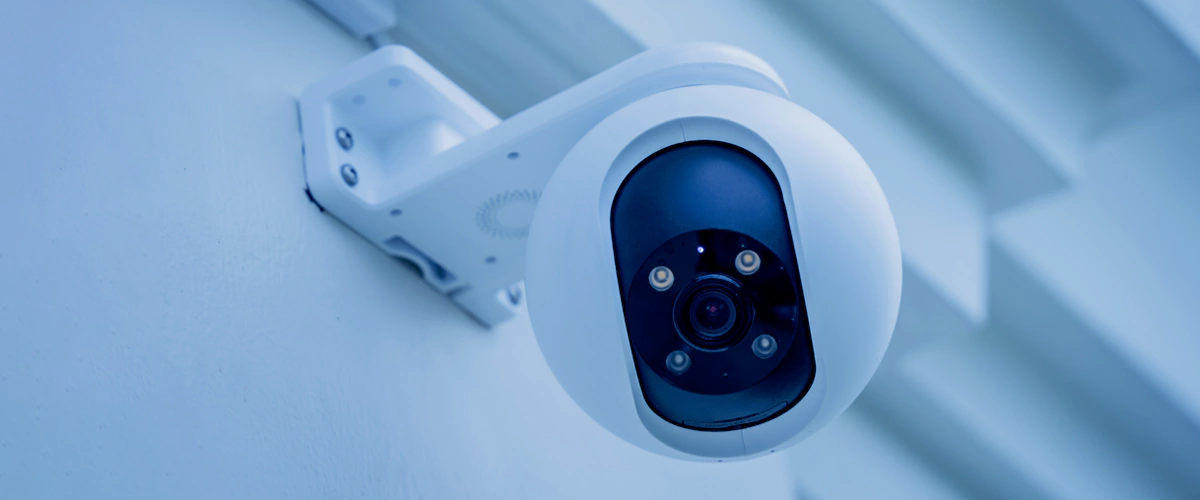
Most security issues do not happen in the middle of the day. They happen at night, when visibility drops and properties become easier targets. Car parks, warehouses, shopfronts, construction sites, and even home driveways face greater risk after dark. The problem is that many standard cameras simply cannot cope once the light fades.
That is where low light surveillance cameras make a real difference.
If you rely on your security system to protect your home or business, you need footage that stays clear and usable no matter the time of day. Let’s look at how low light cameras work, the types available, and why they matter so much in Australian conditions.
What Makes a Camera “Low Light”?
A low light surveillance camera is built specifically to perform in minimal lighting. Regular cameras depend heavily on visible light. When that light disappears, so does image quality. Footage becomes grainy, colours fade, and important details are lost.
Low light cameras are designed to capture as much available light as possible and turn it into clear video. Businesses install them in commercial buildings, warehouses, factories, schools, healthcare facilities, and underground car parks. Homeowners use them for driveways, side access points, and backyards. Rural property owners rely on them where street lighting simply does not exist.
In a country as diverse as Australia, lighting conditions vary widely. City locations may have surrounding light from nearby buildings. Remote properties often have none at all. A camera that performs well in both environments provides real value.
Why Do Standard Cameras Fall Short at Night?
When light levels drop, standard cameras struggle. You will usually notice several issues straight away.
- The image becomes noisy and grainy.
- Movement causes blur.
- Faces become difficult to recognise.
- Colour disappears and switches to dull grey tones.
- Identifying people or vehicles becomes much harder.
Poor night footage often leads to frustration. You may know something happened, but you cannot clearly see who was involved. That gap in clarity can make investigations difficult. Purpose built low light technology reduces that risk.
How Low Light Cameras Improve Night Performance?
Manufacturers improve low light performance by upgrading both hardware and processing technology.
- Larger Image Sensors: One of the most important components is the image sensor. Larger sensors collect more light. When the sensor captures more light, it produces a clearer and more detailed image. The camera does not need to artificially enhance the footage as much, which means less grain.
- Wide Aperture Lenses: The lens also plays an important role. A wide aperture allows more light to enter the camera. That extra light improves brightness and helps reduce noise in darker settings.
- Infrared (IR) Illumination: Many low light cameras also include infrared technology. Built in infrared LEDs emit light that the human eye cannot see. The camera uses that light to record in complete darkness. When infrared activates, the image typically switches to black and white. This setup works well for perimeter security, warehouses, and external building monitoring.
- Starlight and Ultra-Low Light Technology: More advanced models use what is often called starlight or ultra low light technology. These cameras capture colour images in very low lighting instead of switching to black and white. They amplify the available light and reduce image noise. This feature can help identify clothing colours, vehicle colours, and other details that may matter during an investigation.
- Digital Noise Reduction: Digital noise reduction software further cleans up the image. The camera processes each frame and removes visual grain. The result is clearer footage that is easier to review and use if required.
Different Types of Low Light Cameras
Not every property needs the same solution. The right camera depends on the site, the level of risk, and the surrounding environment.
- Infrared (IR) Night Vision Cameras: Infrared night vision cameras are common in both homes and businesses. They activate infrared LEDs when lighting drops and record in black and white. They provide reliable performance at a practical cost.
- Colour Night Vision Cameras: Colour night vision cameras maintain colour footage in low light conditions. Retail stores and entry points often benefit from this feature because staff can identify vehicles and clothing more accurately.
- Thermal Cameras: Thermal cameras work differently. They detect heat rather than visible light. This allows them to identify people, vehicles, or animals based on temperature differences. Large perimeters, industrial facilities, bushland areas, and remote rural properties often use thermal systems. These cameras usually cost more, but they provide strong detection capability regardless of lighting conditions.
Important Features to Look For
When comparing low light cameras, certain specifications matter.
- Lux rating indicates light sensitivity. A lower lux rating means better performance in darker conditions.
- IR range tells you how far the camera can see at night.
- Resolutions such as 4MP or 8MP 4K provide more detail.
- Wide Dynamic Range improves image balance when bright and dark areas appear in the same frame.
- IP66 or IP67 weather ratings protect outdoor cameras from Australian conditions.
- Smart analytics enable motion detection, line crossing alerts, and AI based detection.
A proper site assessment helps match these features to your environment instead of relying on guesswork.
Installation Still Matters
Even the best camera will not perform well if installed incorrectly. Placement affects everything.
Installers need to avoid mounting cameras too close to walls or surfaces that reflect infrared light. They must choose the correct height and angle to improve identification. They also need to consider dust, humidity, and salt air in coastal areas.
Professional installation ensures correct positioning, secure network configuration, and compliance with Australian standards. It also reduces blind spots and improves overall system reliability.
Do You Still Need Lighting?
Low light cameras are powerful, but adding lighting can improve results. Motion activated LED lighting increases visibility and acts as a deterrent. Better lighting improves colour accuracy, enhances facial detail, reduces noise, and increases clarity over longer distances.
Combining good lighting with advanced low light cameras often delivers the strongest outcome.
Why Low Light Surveillance Is So Important in Australia?
Australia presents unique challenges.
- Southern states experience long winter nights.
- Many industrial facilities operate 24 hours a day.
- Rural properties often lack surrounding infrastructure.
- Coastal areas deal with humidity and harsh weather.
- Mining and agricultural sites frequently operate in remote locations.
A well designed low light surveillance system helps maintain protection in all of these conditions and supports consistent monitoring throughout the year.
Work with Technical Security Systems for Reliable Night Time Protection
Choosing the right low light surveillance system involves more than selecting a camera off the shelf. You need a solution that suits your property, lighting conditions, and level of risk.
At Technical Security Systems, we design and install high performance surveillance systems across Australia. Our team carries out detailed site assessments and selects camera technology that matches your environment. We position every camera carefully and integrate it with your wider security setup.
Whether you manage a commercial facility, industrial site, or residential property, we provide solutions that perform reliably in low light and complete darkness.
If you want dependable protection 24 hours a day, 7 days a week, speak with us at Technical Security Systems about a customised low light surveillance solution.
